In the 8th century BC, on the windswept cliffs overlooking the sparkling Mediterranean, a siren song drifted on the salty breeze. Legend whispers it belonged to Parthenope, a mythical creature who lured sailors to their doom. But the truth was far less fantastical.
Here, on the Pizzofalcone hill, Greek colonists from nearby Cumae built a humble settlement, naming it Parthenope – a tribute to the mythical beauty of the place. Life in Parthenope was rough. The settlers battled for every inch of fertile land, their days filled with the rhythmic clang of hammers and the shouts of fishermen battling the waves. Yet, a spirit of resilience bloomed. They built sturdy homes, carved out a small harbour, and traded with passing ships, the scent of spices and exotic fruits filling the air.
Centuries rolled by, and whispers of a “New City” began to spread. In 504 BC, a group of exiled Cumaean nobles arrived, seeking a fresh start. They saw the potential in Parthenope – its strategic location, its hardworking people. Thus, Neapolis, meaning “New City,” was born.
Neapolis thrived. It became a beacon of Greek culture in southern Italy, a centre of trade and learning. Philosophers debated in the agora, playwrights staged comedies under the open sky, and skilled artisans crafted breath-taking pottery. The city walls, once a necessity, became canvases for vibrant murals depicting heroes and gods.
Fast-forward to the 16th & 17th centuries and Naples’ golden age under Spanish rule. The city thrived as a major cultural and economic hub in Europe. Imagine Naples as a bustling port city, a centre of trade and artistic innovation. It was the second-largest city in Europe at the time after Paris, brimming with architectural marvels and a vibrant cultural scene. It was the place to be!
In 1707, Mount Vesuvius grumbled awake, spewing ash and cinders that rained down on Naples. It was a fiery omen for a city about to be swept into a whirlwind of change. The Spanish grip loosened, replaced by the Austrians, then the Bourbons. The Bourbon kings were responsible for a period of urban renewal, including the construction of new palaces and public buildings. Naples, ever restless, chafed under foreign rule.
Whispers of revolution filled the bustling cafes. In 1799, inspired by the French, a group of rebels declared the Parthenopean Republic, resurrecting the ancient Greek name of the city. But the dream was short-lived. The Bourbon king, Ferdinand IV, returned with a vengeance.
Yet, the embers of rebellion remained. In 1848, the city throbbed with the fervour of Italian unification. Giuseppe Garibaldi, a dashing revolutionary, sailed into Naples harbour, greeted by cheering crowds. The king fled, and for a brief, glorious moment, Naples was a beacon of freedom. However, unification proved trickier than imagined. The north of Italy, led by Victor Emmanuel, eventually absorbed the south. Naples, with its rich culture and fiery spirit, lost its spark under the new order. But the city, forever evolving, adapted, its story woven into the grand tapestry of a unified Italy.
Ask any Neapolitan about unification, and you’re likely to get a cup of strong espresso (or maybe something stronger) brewing alongside the answer. Opinions are as thick and layered as the sfogliatelle pastries Naples is famous for. On one hand, there’s a flicker of pride. Being part of a united Italy holds a certain allure, a belonging to something grander. The city’s grand squares could now echo with a national anthem, a symbol of a stronger Italy on the world stage. But beneath that pride simmers some resentments. Many Neapolitans feel the north, particularly Piedmont under the Savoyard kings, took the reins of unification. They see it as a sort of conquest, not a union of equals. The south, especially Naples, with its rich cultural heritage and bustling port, feels like the neglected stepchild. They point to a decline in Neapolitan influence, a stifling of their unique identity.
Today Naples is a fascinating mix of old and new, a city where ancient history brushes shoulders with modern life. The grand, historic buildings that speak of Naples’ long and rich past are juxtaposed with pockets of contemporary architecture. This modern approach isn’t always front and centre though. Modernity in Naples can feel veiled, tucked away in unexpected corners. Despite its historical significance, Naples isn’t stuck in the past. A thriving contemporary art scene and a growing focus on urban renewal are signs that the city is very much alive and looking to the future.
Naples’ unique character comes from its ability to embrace both its ancient heritage and this modern spirit. So let’s discover the city I have fallen in love with in just 6 days.
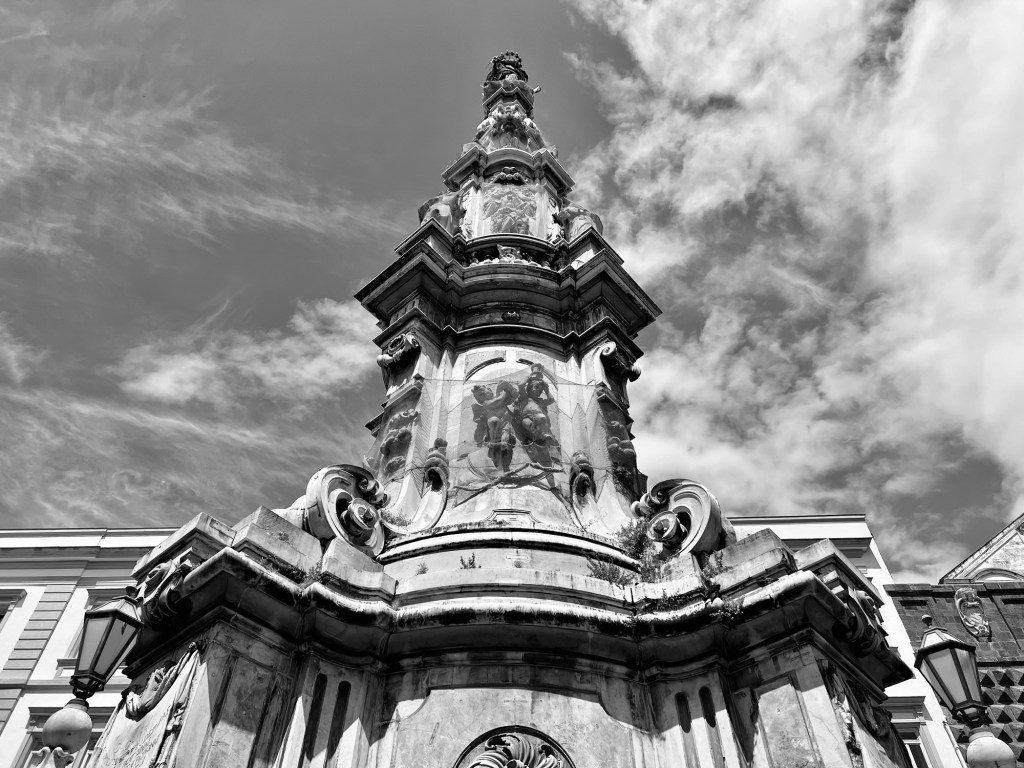
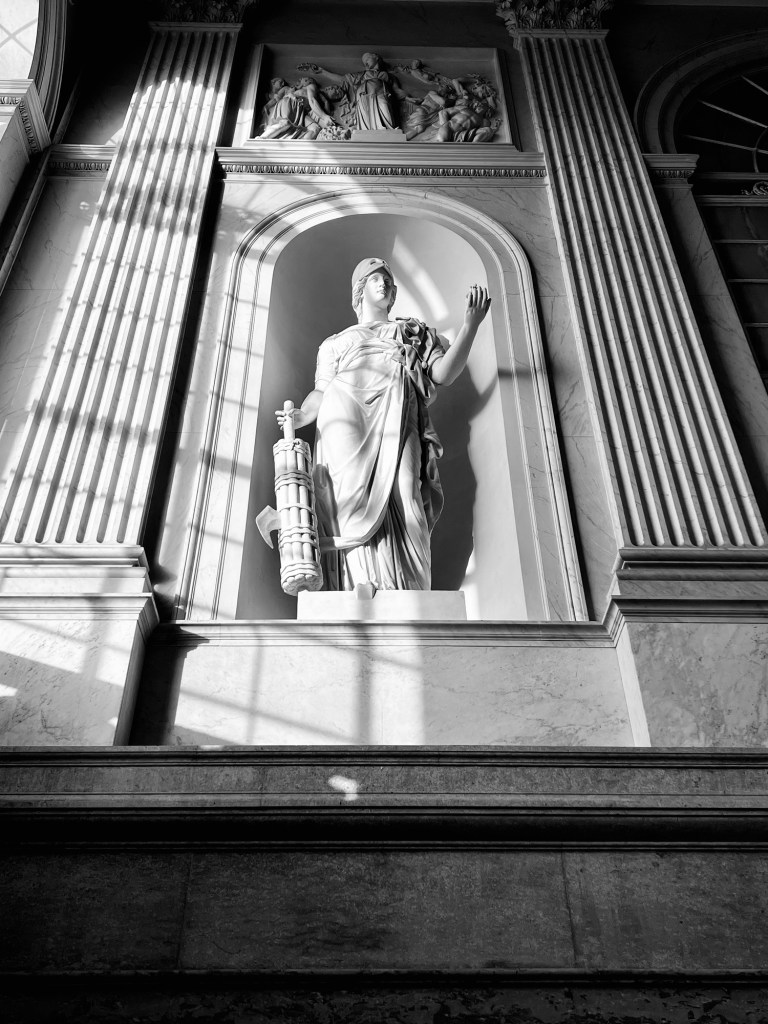
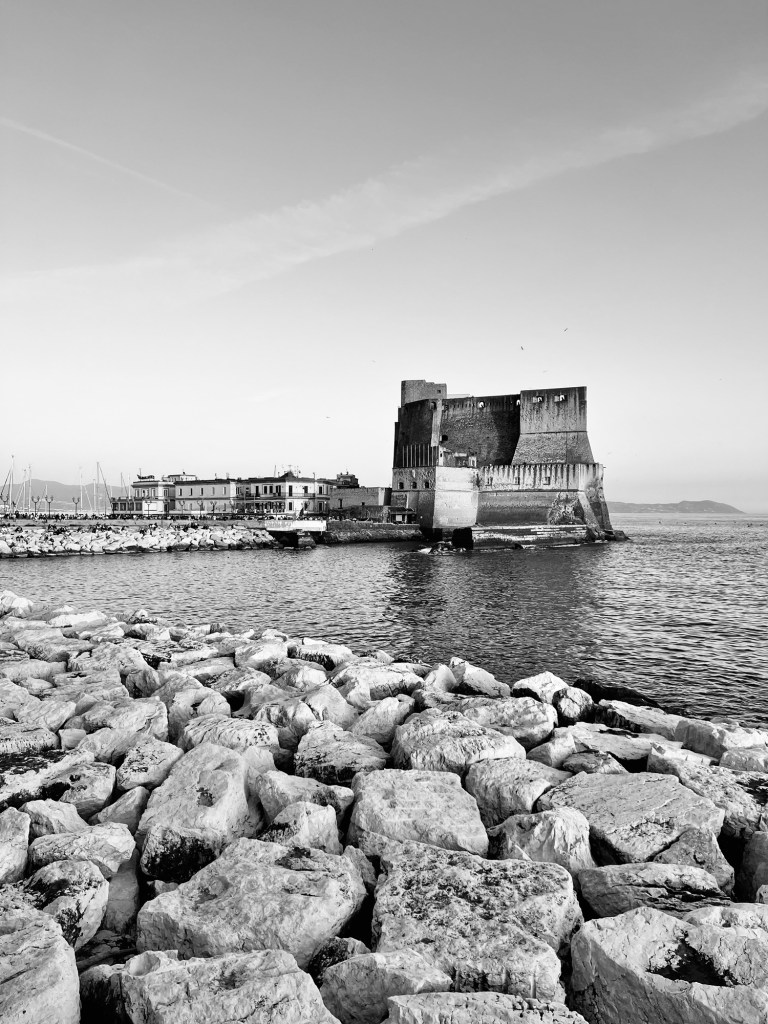
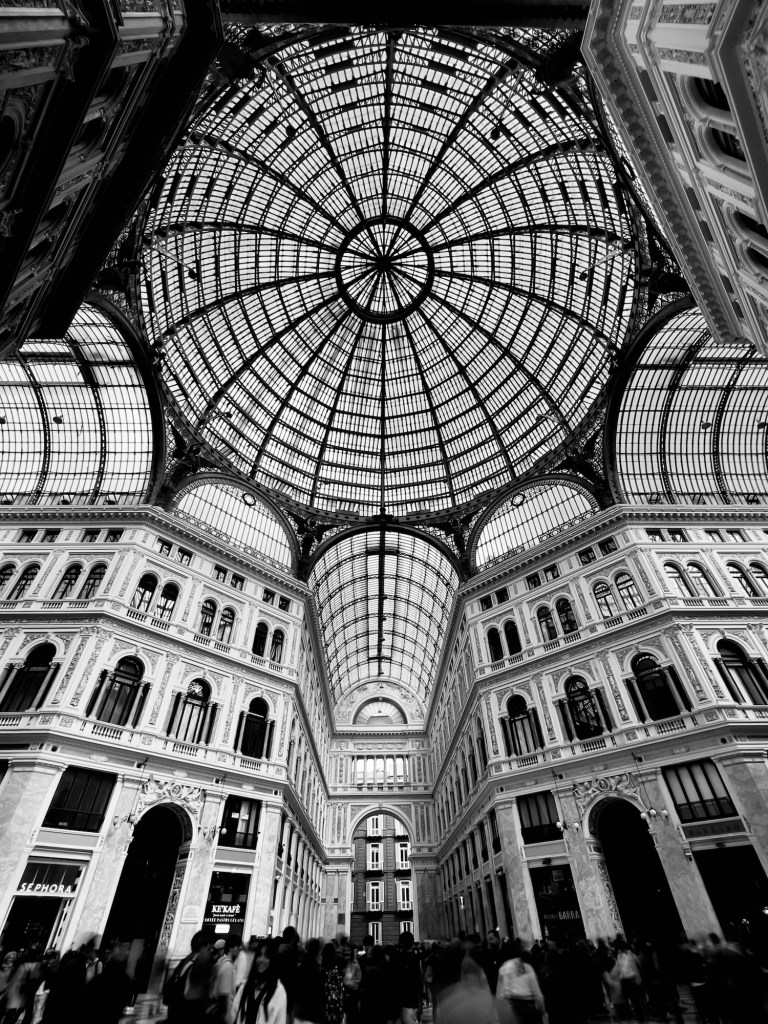
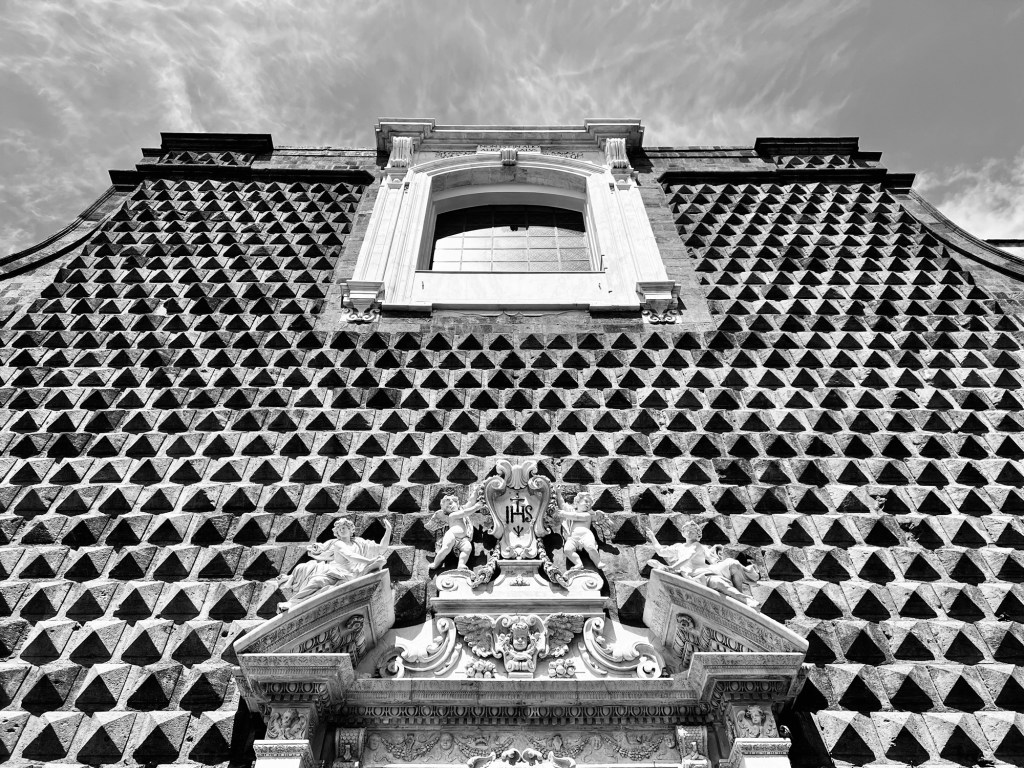
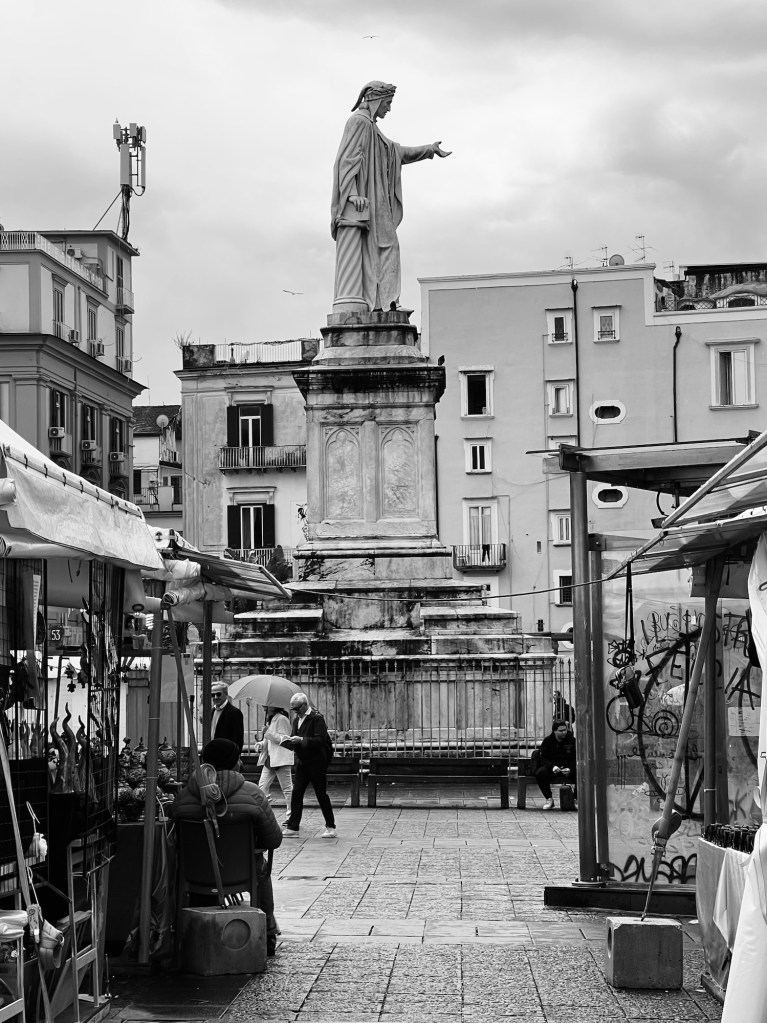
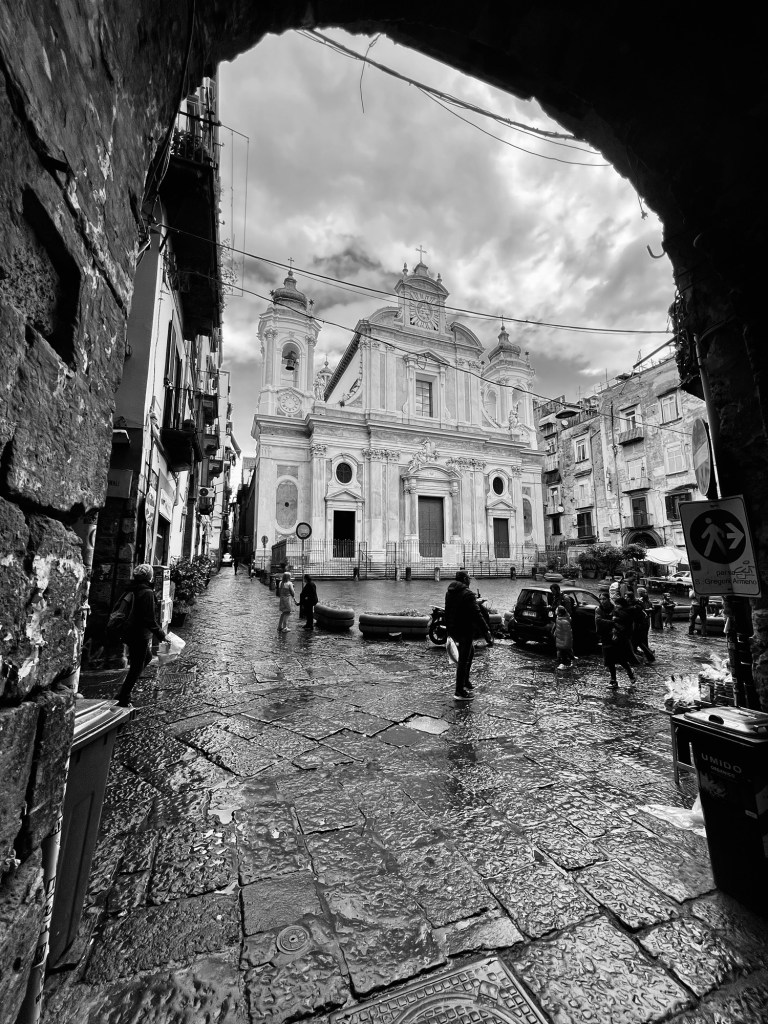
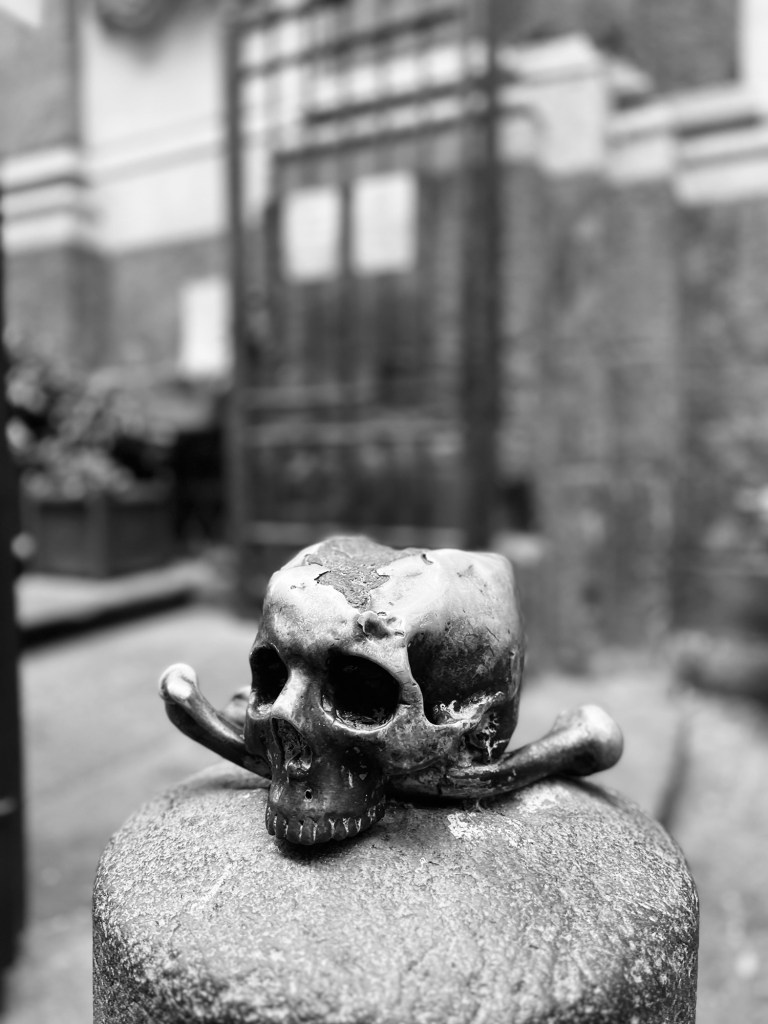
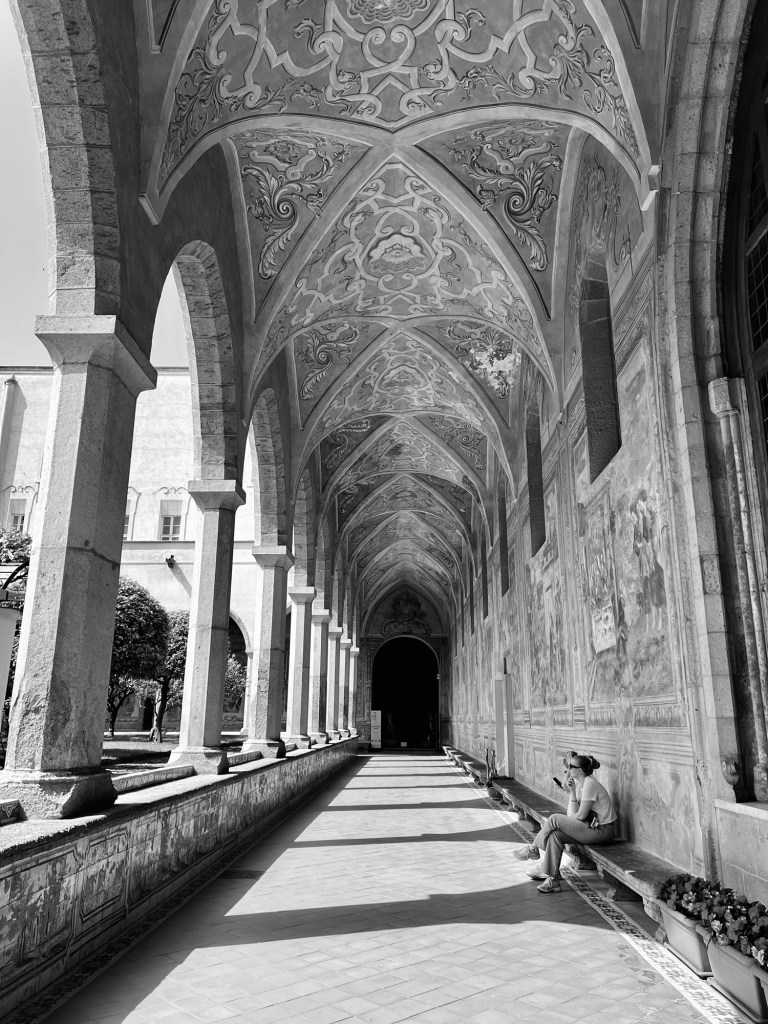
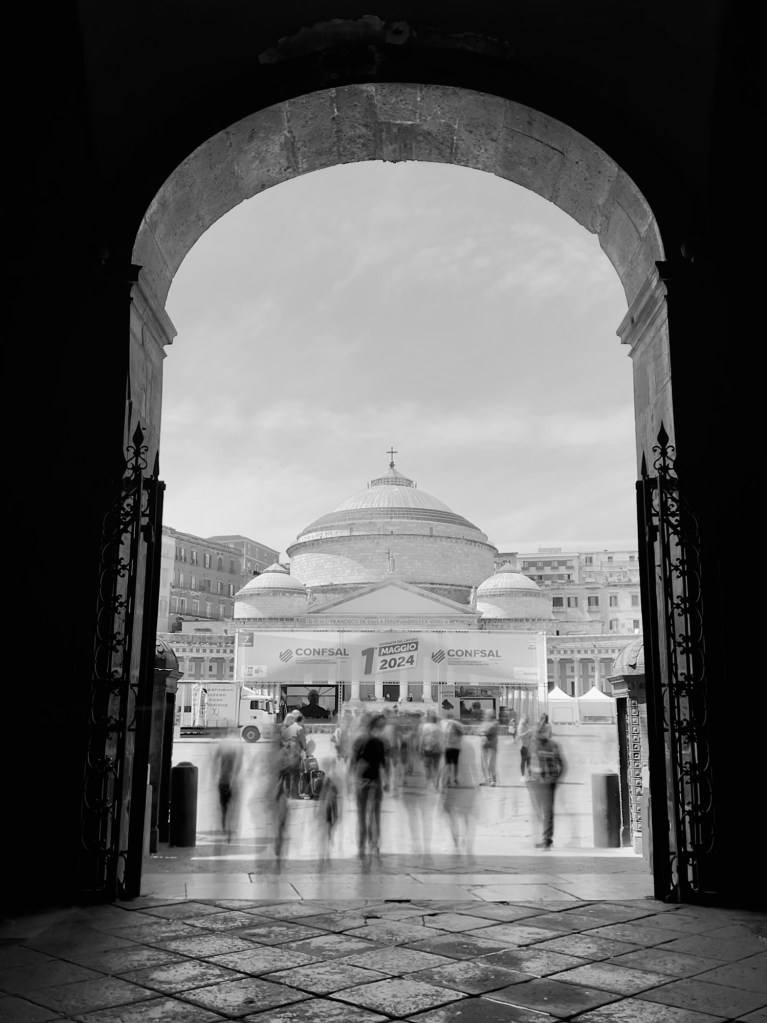
Here’s some B&W images of my travels:





 Dani ♥ Hearts